

When you think of what drives employee performance, office furniture might not be the first thing that comes to mind. However, in recent years, business owners, HR teams, and designers alike have begun to understand the profound impact that workspace design can have on their organisations. The psychology of workspace design explores how furniture, layout, and aesthetics influence behaviour, motivation, and mental well-being.
At Lemon Tree, we believe that great design does more than fill a room; it supports the people within it. Whether you’re moving into a new office or upgrading your current space, the choices you make about office furniture can have a direct and lasting impact on team morale and productivity.
Let’s explore how.
1. The Mind-Body Connection: Ergonomics and Mental Focus
One of the most foundational ways office furniture impacts performance is through ergonomics. Poorly designed chairs and desks don’t just lead to back pain and stiff joints; they also chip away at mental clarity.
How it works: When someone is physically uncomfortable, they constantly shift, fidget, or stretch to stay alert. That discomfort becomes a distraction. Over time, it can even lead to stress or burnout.
Ergonomics at Work:
- Adjustable office chairs with lumbar support
- Desks at appropriate heights to prevent wrist and neck strain
- Sit-stand desks for posture variation
- Monitor arms and footrests to improve alignment
By investing in ergonomic solutions, whether purchased or rented, you demonstrate to employees that their health and well-being matter. At Lemon Tree, our curated catalogue includes ergonomic essentials that not only support comfort but also elevate your workspace visually.
2. Office Furniture Affects Mood Through Colour Psychology
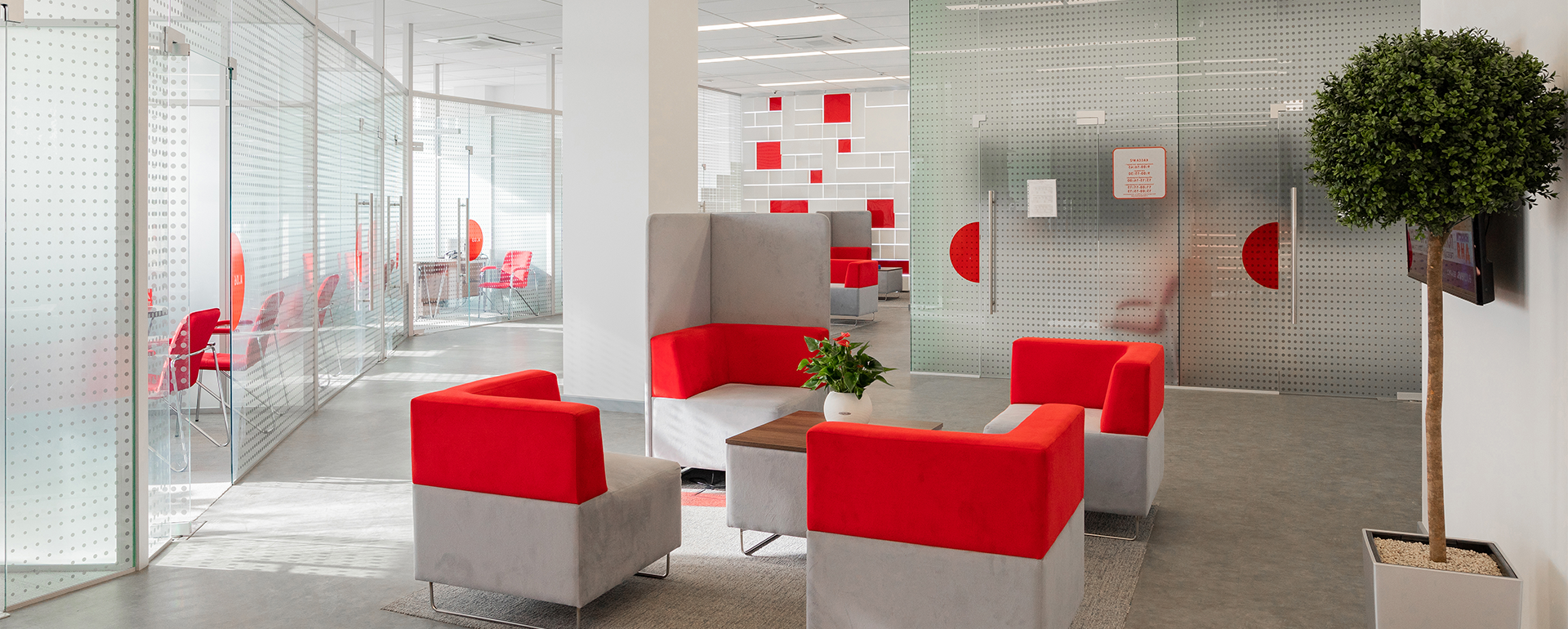
Have you ever noticed how a bold red wall energises a room, or how soft blues can make a space feel serene? That’s colour psychology at work, and it applies just as much to office furniture as it does to paint.
Colours and Their Common Effects:
- Blue: Calms the nervous system, promotes focus and trust
- Green: Balances the mind, reduces anxiety
- Yellow: Sparks optimism and creativity
- Red: Increases energy, but can also raise tension if overused
- Grey/Neutral Tones: Create sophistication and balance
When choosing office furniture, consider how different tones contribute to the energy of your team. A creative agency might thrive with vibrant yellow collaborative spaces, while a finance firm may benefit from grounding blues and structured greys.
With Lemon Tree’s rental service, businesses can try different colour schemes and adjust as needed, without the cost of replacing permanent furniture.
3. Office Furniture Layout Shapes Behaviour
Furniture layout is more than a matter of space; it’s a tool that guides how people interact. An open plan can invite collaboration, while enclosed workstations support deep focus.
Three Psychological Zones of Work:
- Focus Zones: Quiet desks or booths that support individual productivity.
- Collaborative Areas: Sofas, benches, or large tables that encourage brainstorming.
- Social/Wellbeing Spaces: Lounges, café-style areas, and breakout zones for rest and informal chats.
Tip: Employees should have access to all three, based on their needs throughout the day. This dynamic use of space supports autonomy and flexibility.
Lemon Tree Advantage: Our furniture rental range allows companies to create modular, multifunctional layouts. Easily transition your team from desk clusters to team pods.
4. Autonomy, Personalisation, and Psychological Ownership
Giving employees some control over their workspace, even small things like choosing their chair or adjusting their monitor, can foster what psychologists call psychological ownership. When people feel that a space is “theirs,” they’re more likely to take pride in it and be productive within it.
Personalisation also contributes to comfort and emotional security. Think family photos, small plants, or favourite coffee mugs, these are things that make a workstation feel familiar.
Office Furniture Tip: Modular furniture or easily reconfigurable desks allow for individual preferences without disrupting the office’s overall flow.
 5. Clutter vs Clarity: The Mental Impact of Storage Solutions
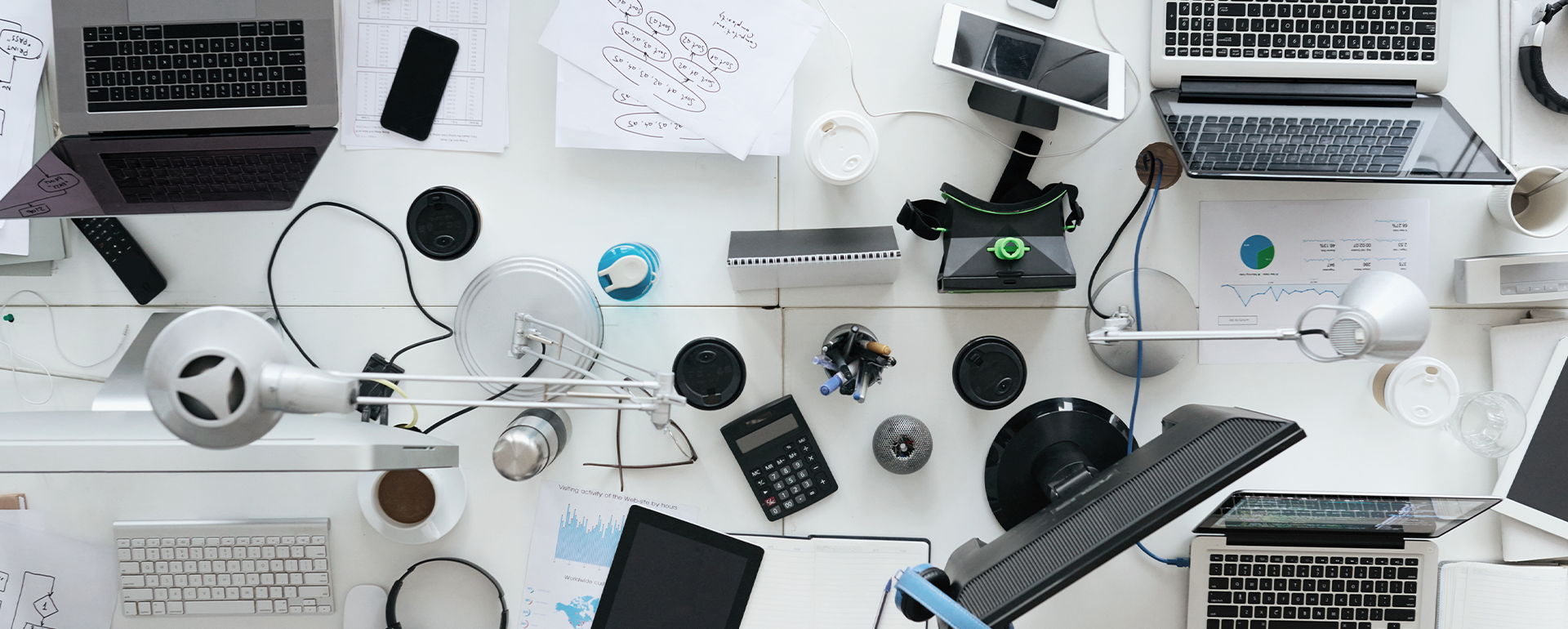
Messy desks and scattered paperwork are more than just an eyesore; they can also be a distraction. They create cognitive overload, which makes it harder for people to think clearly, prioritise tasks, or feel in control.
The Solution: Clever storage.
Well-designed storage units help keep the workspace organised and reduce visual noise. Think:
- Mobile Pedestals that fit neatly under desks
- Lockable filing drawers for sensitive documents
- Open shelving for shared materials
Lemon Tree clients love: Our sleek storage rentals that blend functionality with design. You get the benefit of an uncluttered space, without committing to built-in units.
6. Biophilic Design: Why Nature in the Office Matters
Biophilic design refers to incorporating natural elements into the workspace, whether that’s actual plants, natural light, water features, or organic textures and shapes.
Studies show that exposure to nature (even simulated nature) lowers stress, improves mood, and boosts creativity. Even subtle elements, such as a desk made from wood-grain laminate or a chair with curved lines inspired by organic forms, can have a psychological impact.
Integrate Nature With:
- Soft, earthy tones and textures in chairs or desks
- Wooden meeting tables or nature-inspired accessories
- Lounge areas near windows or greenery
- Access to outdoor furniture when weather permits
Bonus: Plants not only look good, but they also improve indoor air quality.
7. Brand Identity and Culture Reflected in Design
Your office is more than just a place to work; it’s a physical expression of your brand culture. The office furniture you choose speaks volumes to clients, employees, and future hires.
Ask yourself:
- Does your office furniture reflect your brand values?
- Is your space inviting, inspiring, or functional?
- Do visitors immediately “get” what your company is about?
For startups, a mix of bold colours and relaxed seating shows innovation. For law firms, polished desks and structured seating may be more suitable.
With Lemon Tree’s flexible hire options, businesses can evolve their furniture as their culture shifts, without starting from scratch.
8. Employee Wellbeing and Productivity Are Interconnected
Wellbeing in the workplace isn’t just about yoga sessions or fruit bowls; it starts with the basics. A well-designed workspace tells employees, “We care about your experience here.”
Office Furniture that Supports Wellbeing:
- Quiet nooks with comfortable armchairs for mental breaks
- Café-style seating to encourage casual interaction
- Phone booths or pods for private calls
- Desks near natural light for mood regulation
At Lemon Tree, we believe that wellbeing-focused furniture is not a luxury; it’s a necessity.
9. Workspaces for Hybrid and Remote Teams
With more teams working remotely or in hybrid setups, office furniture must now serve multiple purposes. Some employees might come in only once or twice a week, while others use the space daily.
Design Considerations:
- Hot desking with adaptable office furniture
- Meeting rooms with plug-and-play capabilities
- Communal hubs for team-building
- Temporary workstations that support movement and flexibility
Lemon Tree’s short-term and long-term rental solutions help companies experiment with different layouts and meet evolving workplace demands, without overinvesting.
10. Financial Flexibility Without Compromising Psychology
Permanent office furniture can be expensive, and what works now might not work a year from now. With rental options, companies can prioritise psychological impact and financial agility.
With Lemon Tree, you can:
- Test new layouts before committing
- Rotate furniture seasonally to keep spaces fresh
- Scale up or down as your team grows or shifts
- Match furniture to your current campaign, brand event, or rebranding effort
Intentional Design is Good Business
The workspace is no longer just a functional environment; it’s a strategic asset. Companies that invest in intentional, psychologically informed design see real-world results: happier teams, reduced absenteeism, improved productivity, and even better client impressions.
At Lemon Tree, we help businesses of all sizes create beautiful, flexible, human-centred offices through our curated furniture hire services. Whether you’re designing for creativity, focus, relaxation, or collaboration, we’ll help you do it affordably, stylishly, and with intention.
